
Backpacking can turn an ordinary trip into a memorable adventure when you plan wisely. The right backpacking tips help you pack lighter, control costs, and handle unexpected situations with confidence. Whether you are planning your first backpacking trip or exploring a new destination, smart preparation can make every day easier. From choosing suitable gear to finding affordable stays, each decision can shape your travel experience.
Travel planning also helps you organize transportation, documents, money, and essential items without creating unnecessary stress. Along the way, staying flexible lets you enjoy local experiences and unexpected discoveries. These practical travel tips from CWBiancaVoyage from ConversationsWithBianca can help you travel comfortably, safely, and responsibly.
Why Good Planning Makes Backpacking Easier
Strong travel preparation gives you a better starting point. Before leaving, research weather, entry rules, transportation, and local conditions. Check your travel documents carefully and save important information offline. A simple travel checklist can prevent forgotten essentials. Good planning also helps estimate your travel budget before expenses begin. However, avoid creating a rigid schedule. A flexible itinerary gives you room when weather, delays, or new opportunities change your plans.
A useful approach combines preparation with freedom. Reserve important transport and your first accommodation when necessary. Then leave some days open for exploration. During backpacking travel, small problems can appear without warning. Your phone may lose service. A bus may arrive late. Weather may change your plans. Basic emergency planning helps you respond calmly. Good preparation works like a safety net. It supports your adventure without controlling every moment.
Create a Flexible Travel Plan Before Your Journey
A practical travel itinerary should guide your journey rather than control it. Research major destinations and estimate travel times between them. Keep extra time around important connections. For example, arriving one day before a major event can reduce stress. During first-time backpacking, this breathing room matters. It prevents one delay from disrupting the entire journey.
Research Your Destination and Travel Requirements
Destination research should cover weather, transportation, local laws, health advice, and cultural expectations. Check official government information for international trips. Review entry requirements before purchasing tickets. Research seasonal conditions too. A destination can feel completely different during summer, winter, or hurricane season. These simple travel tips can prevent expensive surprises.
How to Choose the Right Backpack
Your backpack becomes your mobile storage space. Therefore, comfort matters more than appearance. A lightweight backpack can reduce strain during long walking days. Capacity should match your travel style. A 30–40 liter backpack often works for minimalist trips. A 40–60 liter backpack offers more space for varied climates. Larger packs can help when carrying camping equipment. However, extra space often encourages overpacking.
Fit matters just as much as capacity. A strong backpack hip belt should transfer weight toward your hips. Proper adjustable shoulder straps improve comfort and stability. Good weight distribution keeps heavy items close to your back. A front-loading backpack provides easier access than many top-loading backpack designs. Look for water-resistant backpack materials and a reliable rain cover. These features improve backpack comfort during changing conditions.
| Backpack Capacity | Best Use | Typical Style |
|---|---|---|
| 30–40 liter backpack | Minimalist trips | Carry-on focused |
| 45–55 liter backpack | General backpacking | Multi-week travel |
| 60–65 liter backpack | Cold weather or camping | Gear-heavy travel |
| Larger packs | Specialized trips | Extensive equipment |
Choose Backpack Capacity Based on Your Trip
Your backpack capacity should reflect climate, activities, and laundry access. Warm destinations usually require fewer bulky layers. Cold regions need more insulation. Camping also increases equipment needs. A carry-on backpack can save baggage fees when airline rules allow it. Still, check current airline dimensions before departure because limits vary.
Check Fit and Weight Distribution
Load the backpack before testing it. An empty pack can feel comfortable while a full one feels completely different. Place heavier objects near your back. Keep lighter items farther away. Adjust every strap while standing naturally. Good lightweight construction helps, but proper fitting remains essential for long journeys.
What to Pack for a Backpacking Trip
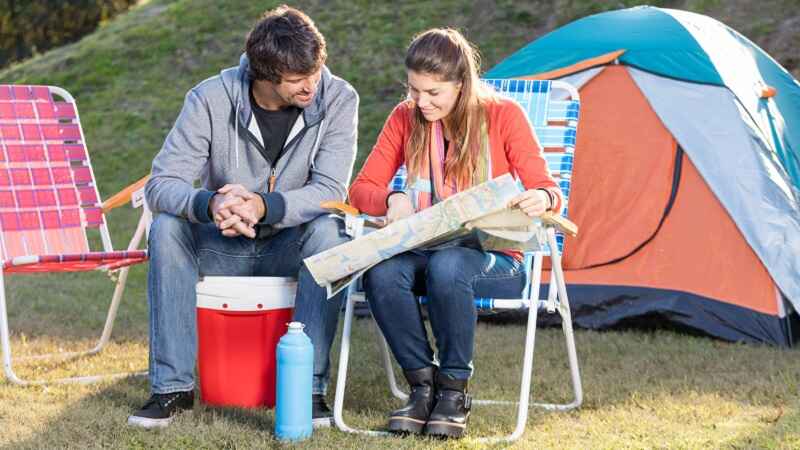
Smart packing starts with one simple question: will you actually use this item? Choose versatile clothing that works across several situations. Quick-dry clothing can simplify laundry while traveling. A warm layer helps during cool evenings. A rain shell protects against sudden weather. Trail shoes suit active routes while travel sandals work for rest days. Avoid duplicate items unless they serve an important purpose. Every unnecessary object adds weight.
A strong essential packing list should cover health, technology, documents, and daily comfort. Carry toiletries, a first-aid kit, required prescription medication, and useful rehydration salts. Travelers prone to motion sickness may consider motion sickness tablets after checking suitable medical guidance. A reusable water bottle reduces disposable packaging. A portable charger keeps communication available. A universal travel adapter helps during international trips. These backpacking essentials create a practical foundation.
| Category | Useful Items |
|---|---|
| Clothing | Versatile clothing, quick-dry clothing, warm layer |
| Weather | Rain shell, compact weather protection |
| Footwear | Trail shoes, travel sandals |
| Health | First-aid kit, prescription medication |
| Technology | Portable charger, universal travel adapter |
| Hydration | Reusable water bottle |
| Personal care | Toiletries |
Build a Versatile Clothing Strategy
Choose clothing that works together. Neutral colors can make combinations easier. Layering often works better than carrying one bulky jacket. Pack according to the actual climate. If laundry is available, you need fewer outfits. This approach makes packing light easier. It also leaves space for useful purchases during your trip.
Pack Essential Travel and Emergency Items
Keep critical items easy to access. Your passport, payment cards, medicine, and emergency information deserve extra attention. Store backup documents in secure cloud storage. Carry copies of visa copies, passport photos, and your travel insurance card when appropriate. Save emergency contacts before leaving. Preparation becomes especially valuable when your phone or wallet disappears.
How to Organize Your Backpack Efficiently
Good organization saves time every day. Use packing cubes to separate clothing from other belongings. Keep electronics in a protected pouch. Store toiletries where leaks cannot damage clothing. Place documents somewhere secure and accessible. Organization also improves smart packing because every item has a clear place. You spend less time searching through the bag. That small improvement becomes valuable during busy travel days.
Weight placement matters too. Heavy objects should stay close to your back and around the middle. Frequently used items should remain near the top or outer pockets. Keep rain protection accessible when weather looks uncertain. Separate clean clothing from worn items. A simple system reduces clutter. It also makes repacking easier after airport checks, hotel stays, or outdoor activities.
Create Simple Packing Zones
Create clear zones for clothing, technology, documents, food, and health items. This method prevents your backpack from becoming a tangled storage box. Keep emergency items easy to reach. Use waterproof pouches for sensitive belongings. A consistent arrangement also helps you notice missing items before leaving accommodation.
How to Create a Realistic Backpacking Budget
A realistic backpacking budget should include more than flights and hotels. Consider accommodation costs, food costs, transportation costs, activity costs, and internet costs. Insurance and unexpected purchases also matter. A daily travel budget gives you a simple spending target. The daily average method works well because expensive days can balance with cheaper ones. This approach is easier than tracking every small purchase.
Keep a separate emergency fund for surprises. Medical care, missed transport, replacement documents, or sudden accommodation changes can cost more than expected. A useful budget buffer can protect your main funds. Track daily spending with a notebook or spending tracker. Good money management creates freedom. It also shows where your travel savings are going throughout the journey.
| Expense | What to Consider |
|---|---|
| Accommodation | Hostels, hotels, guesthouses |
| Food | Restaurants, markets, groceries |
| Transport | Local and regional travel |
| Activities | Tours, attractions, outdoor activities |
| Connectivity | SIM, eSIM, data plans |
| Emergencies | Medical or unexpected expenses |
| Reserve | Budget buffer and emergency cash |
Estimate Daily Travel Expenses
Your daily travel expenses depend heavily on destination and travel style. A budget traveler may choose public transit and shared rooms. A mid-range traveler may prefer private rooms and frequent restaurant meals. Compare expected costs before departure. This makes the cost of backpacking easier to understand and reduces financial surprises.
Keep an Emergency Travel Fund
Keep emergency money separate from everyday spending. Carry a modest amount of local currency while using secure payment methods. Maintain debit cards or credit cards separately when possible. A backup bank card can help after a lost wallet. Some travelers also keep limited hidden cash in a secure place. Never depend on one payment method.
How to Find Safe and Affordable Accommodation
The cheapest room isn’t always the cheapest choice. Poor location can create higher transportation costs. Weak security can create bigger problems. Compare accommodation reviews, location, safety, and facilities together. Hostels can provide affordable rooms and social spaces. Guesthouses may offer a quieter local experience. A budget hotel can suit travelers who want more privacy. Look for safe accommodation with practical access.
Before booking, examine the accommodation location carefully. Check public transportation access and nearby services. Read recent reviews rather than relying only on ratings. Review the cancellation policy and search for hidden accommodation fees. Useful features include lockers, Wi-Fi access, and a shared kitchen. A good hostel common areas can also help solo travelers meet others. Safety should remain more important than saving a few dollars.
| Accommodation Type | Main Advantage | Best For |
|---|---|---|
| Hostels | Low cost and social spaces | Solo travelers |
| Guesthouses | Local atmosphere | Quiet stays |
| Budget hotels | More privacy | Couples or independent travelers |
| Homestays | Local interaction | Cultural experiences |
Compare Price, Location, and Safety
Look beyond the nightly price. Calculate transportation costs and check the surrounding area. A slightly more expensive room near public transit may save money overall. Check recent guest feedback for security concerns. Confirm entry procedures and available storage. These details help you choose accommodation based on value rather than price alone.
How to Make Transportation Easier While Backpacking
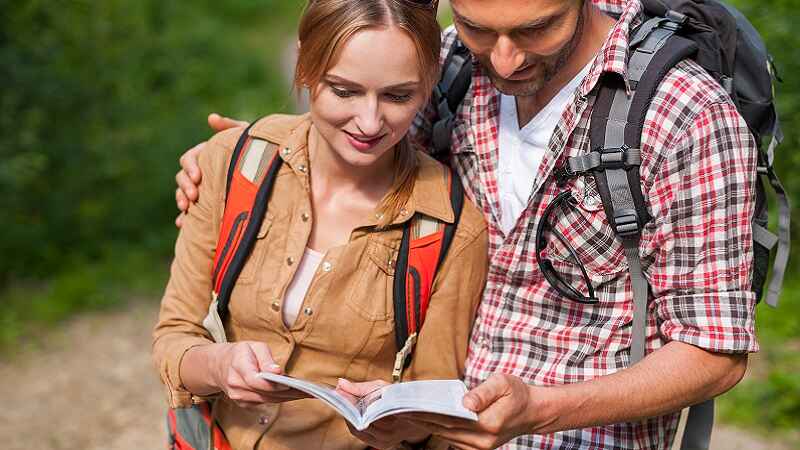
Transportation can shape the rhythm of your trip. Public transportation often costs less than private rides. Buses, trains, and metro systems can connect major destinations efficiently. Bicycles work well for shorter distances. Walking is excellent when attractions sit close together. Compare transportation options using price, time, safety, and convenience. Good transportation planning also prevents stressful last-minute decisions.
Check routes before leaving accommodation. Download schedules when possible. Save important stations and departure points offline. Consider flexible tickets when plans may change. Refundable tickets can provide useful protection on complicated journeys. For flights, research airport transfers before arrival. During regional travel, allow extra time for delays. Reliable local transportation knowledge can save both money and energy.
| Transportation | Best Use | Main Benefit |
|---|---|---|
| Walking routes | Nearby areas | Free exploration |
| Buses | Budget routes | Low cost |
| Trains | Regional travel | Comfort |
| Metro | Large cities | Speed |
| Bicycles | Short distances | Flexible movement |
Choose Transportation Based on Distance and Budget
Don’t automatically choose the cheapest option. A low-cost bus may take several extra hours. A train might cost more while saving valuable time. Compare the complete journey. Consider arrival times, luggage, safety, and connections. The best option balances price with comfort and practical convenience.
How to Stay Safe and Connected While Traveling
Good travel safety relies on simple habits. Research neighborhood safety before booking accommodation. Stay alert in crowded transit areas. Protect valuables without becoming overly anxious. Valuables protection can include secure bags and discreet storage. Some travelers use a decoy wallet for limited cash. Basic theft prevention also means avoiding unnecessary displays of expensive devices. Backpacker safety improves when awareness becomes routine.
Connectivity adds another layer of security. Use offline maps when service may disappear. A local SIM card can provide affordable data. An eSIM may offer easier activation without replacing your physical SIM. Compare mobile data plans before departure. International roaming can be convenient but expensive. Useful travel apps include navigation, translation, weather, banking, and transport tools. Reliable travel connectivity helps during emergencies and daily planning.
Prepare for Common Travel Emergencies
Emergency planning should cover a medical emergency, lost passport, stolen card, or missed connection. Save emergency assistance numbers before departure. Embassy assistance can become important after document loss abroad. Review travel insurance coverage carefully. Some policies include medical evacuation and 24/7 assistance. Consider travel tracking or itinerary sharing with someone you trust.
Use Technology as a Travel Tool
Modern travel technology can simplify many small tasks. Navigation apps help locate routes. A currency converter clarifies unfamiliar prices. A language translator can support basic communication. An expense tracker helps manage spending. Weather apps provide useful forecasts. Transportation apps show routes and schedules. Keep a cloud backup of critical information. Download important data before going offline.
How to Travel Like a Local and Respect the Culture
Great journeys involve more than sightseeing. They also involve understanding local culture. Learn a few words from the local language before arrival. Practice basic greetings and research common cultural customs. Respect local traditions, especially around religious places. Understanding cultural etiquette prevents awkward situations. Small gestures often create warmer interactions. Curiosity works best when combined with humility and respect.
Look beyond major tourist attractions. Visit local restaurants and explore local markets when appropriate. Join walking tours led by residents. Language exchange activities can create meaningful conversations. Talk with fellow travelers while respecting personal boundaries. Support local communities and independent businesses. These choices can produce more authentic experiences than following a rigid tourist route. Stay open to local recommendations and safe spontaneous travel.
Connect With Locals Respectfully
Respect should guide every interaction. Ask before photographing people or private spaces. Follow local dress expectations when visiting religious sites. Avoid mocking unfamiliar customs. Listen more than you speak. These habits help build trust. They also make travel feel less transactional. Meaningful connections often begin with simple courtesy.
How to Travel Responsibly and Reduce Your Impact
Responsible travel protects destinations while supporting people who live there. Responsible backpacking starts with small decisions. Carry reusable products and reduce plastic waste whenever practical. Follow local waste disposal rules. Respect wildlife and natural habitats. Never feed wild animals or disturb nesting areas. When hiking, stay on marked hiking trails. These actions reduce your environmental impact without making travel complicated.
Sustainability also includes economic choices. Support local businesses instead of relying entirely on large international chains. Eat locally when appropriate. Choose services that treat workers fairly. Sustainable tourism doesn’t require perfection. It requires awareness. A reusable bottle, careful waste habits, and respectful behavior can add up over time. Good travel should leave memories without leaving unnecessary damage behind.
Make Responsible Choices During Every Trip
Think about the effect of each decision. Avoid damaging plants or removing natural objects. Use water carefully where resources are limited. Respect community rules and protected areas. Keep noise low around wildlife. Responsible choices help preserve destinations for future travelers. They also make your own experience more thoughtful and rewarding.
Common Backpacking Mistakes to Avoid
Some travel mistakes appear harmless at first. Overpacking can make every walking day harder. Rigid schedules can turn minor delays into major problems. Ignoring insurance can create serious financial exposure. Carrying all money together increases risk. Booking accommodation without reading reviews can create uncomfortable surprises. Forgetting weather research can force expensive purchases. These errors are avoidable with simple travel preparation.
Another common problem involves poor backups. Keep backup documents and more than one payment option. Don’t rely entirely on mobile service. Don’t assume every destination accepts cards. Check local transport before arrival. Review weather conditions before outdoor activities. Most importantly, don’t confuse confidence with carelessness. Good backpackers stay adaptable. They prepare for problems without allowing fear to dominate the journey.
| Common Mistake | Why It Causes Problems | Better Approach |
|---|---|---|
| Overpacking | Adds weight and strain | Pack versatile items |
| Rigid planning | Makes delays harder | Keep a flexible itinerary |
| No insurance | Raises emergency costs | Review travel insurance |
| One payment method | Creates financial risk | Carry a backup bank card |
| Ignoring weather | Leads to poor preparation | Check forecasts |
| Cheap accommodation only | May reduce safety | Compare location and reviews |
Avoid Overpacking and Overplanning

Overpacking reduces mobility and increases physical strain. Pack for realistic conditions rather than imaginary emergencies. Plan essential arrangements while leaving open space. This balance makes backpacking travel more enjoyable. You can always buy basic supplies when needed. The best bag isn’t the fullest one. It’s the one you can carry comfortably all day.
Avoid Ignoring Small Details
Small details often prevent large problems. Check your passport before booking international travel. Save emergency numbers before leaving. Confirm accommodation addresses. Download maps before losing service. Check airline baggage rules. Keep medicine accessible. Review your payment options. These tiny actions strengthen your overall travel system without adding much effort.
Frequently Asked Questions About Backpacking Tips
What are the best backpacking tips for beginners?
The most useful backpacking tips focus on preparation, light packing, realistic budgeting, safety, and flexibility. Start with a manageable route. Choose comfortable gear. Research your destination. Keep emergency funds available. Most importantly, don’t try to solve every possible problem before leaving.
How big should a backpack be for a backpacking trip?
A backpack size between 40 and 55 liters works well for many travelers. However, climate, activities, and camping equipment change the ideal capacity. Minimalist travelers may prefer smaller packs. Cold-weather or gear-heavy journeys may require more space.
What should I pack for a backpacking trip?
Focus on travel essentials that serve multiple purposes. Clothing, comfortable footwear, documents, medication, charging equipment, weather protection, and basic hygiene items form a strong foundation. Avoid unnecessary gadgets and duplicate clothing. Your final packing choices should reflect the destination and planned activities.
How can I backpack on a limited budget?
Use a realistic travel budget and track your daily travel expenses. Choose affordable transport and accommodation. Eat some local meals instead of dining at tourist-focused venues constantly. Keep an emergency fund separate from everyday spending. A flexible daily target can make budget decisions easier.
How can I stay safe while backpacking?
Research the destination before departure. Protect valuables. Share important itinerary details with someone you trust. Keep document backups secure. Review travel insurance carefully. Stay aware in crowded areas. Trust your instincts when a situation feels uncomfortable. Basic preparation often prevents avoidable problems.
Should I plan my entire backpacking itinerary in advance?
Planning every detail isn’t necessary. Reserve critical transportation and early accommodation when appropriate. Then leave room for changes. A flexible itinerary lets you respond to weather, delays, local recommendations, and unexpected opportunities. This balance provides structure without removing the freedom that makes backpacking exciting.
Final Takeaways for Smarter Backpacking
Successful backpacking depends on practical choices rather than expensive equipment. Choose the right backpack capacity. Pack only useful items. Organize them logically. Create a realistic backpacking budget. Select accommodation based on safety and location. Use efficient transportation. Keep important information backed up. These habits make long journeys easier to manage. They also help you stay calm when plans change.
The best journeys combine preparation with curiosity. Good travel planning gives you confidence. Flexibility gives you freedom. Respect creates better connections with people and places. Responsible choices protect destinations for future visitors. Whether you’re planning solo travel, a weekend adventure, or a longer international journey, thoughtful preparation can make the experience smoother. Pack smarter, travel lighter, and leave enough room for the unexpected Red More